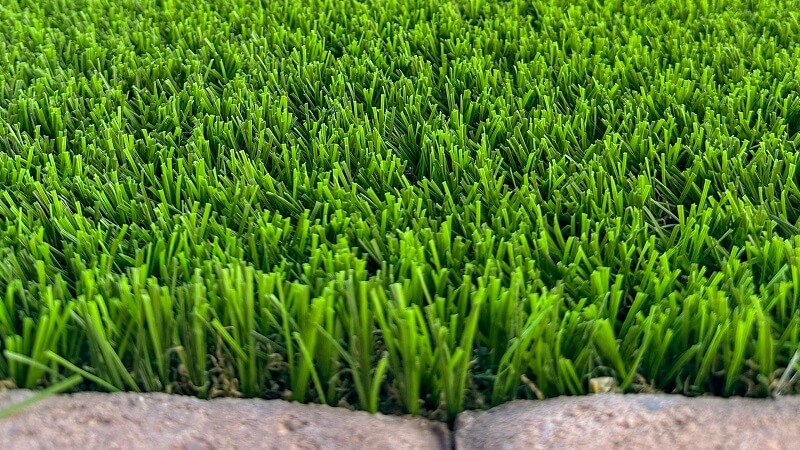
Planning a lawn transformation can instantly improve the look and functionality of any outdoor space, but success depends heavily on preparation and informed decision-making. Many homeowners exploring turf laying Sydney projects often focus only on selecting grass, while overlooking the groundwork, timing, and installation process that actually determine long-term results. Understanding these elements beforehand ensures a healthier lawn, smoother installation, and fewer maintenance issues later.
Assess Your Site Conditions Before Anything Else
Every successful turf installation begins with a clear understanding of the site itself. Soil type, drainage capacity, sunlight exposure, and existing landscape features all influence how well the turf will establish.
Clay-heavy soil may retain too much water, while sandy soil can drain too quickly, affecting root development. Similarly, areas with uneven sunlight can lead to inconsistent growth patterns. Evaluating these conditions early helps you choose the right preparation strategy and avoid performance issues after installation.
Choose the Right Turf Type for Your Environment
Not all grass varieties perform equally in Sydney’s climate. Some are better suited for full sun exposure, while others handle shade or high traffic more effectively.
Homeowners should consider how the lawn will be used—whether it is for family activities, decorative landscaping, or low-maintenance greenery. Selecting a turf type that matches usage patterns ensures better durability and reduces long-term upkeep requirements. A mismatch at this stage can lead to patchy growth or frequent repairs later.
Proper Ground Preparation Sets the Foundation
Ground preparation is often the most overlooked step in turf projects, yet it has the biggest impact on results. The soil must be cleared of weeds, debris, and old roots before installation begins.
Levelling the surface is equally important to prevent water pooling or uneven settling. In many cases, adding a layer of nutrient-rich soil or compost improves fertility and supports stronger root establishment. A well-prepared base ensures the turf bonds quickly and grows uniformly.
Timing Plays a Key Role in Installation Success
Seasonal timing can significantly influence how quickly turf establishes. In Sydney’s climate, warmer months generally support faster root growth, while extreme heat or cold can slow down the process.
Installing turf during moderate weather conditions allows the grass to adapt more efficiently to its new environment. Planning installation around suitable weather windows reduces stress on the turf and improves survival rates during the critical early phase.
Watering Strategy After Installation
Once turf is laid, the first few weeks are crucial for root development. During this period, consistent moisture is necessary to help the grass anchor properly into the soil.
Light, frequent watering is typically more effective than heavy irrigation, as it keeps the soil evenly moist without causing oversaturation. As the lawn establishes, watering frequency can be gradually reduced, transitioning into a more natural maintenance routine that suits local climate conditions.
Understand Maintenance Expectations Early On
While many modern turf varieties are designed for lower maintenance, they still require basic care to remain healthy and attractive. Regular mowing helps maintain even growth, while seasonal fertilisation supports colour and density.
Occasional aeration can also improve airflow and nutrient absorption in the soil. Understanding these requirements in advance ensures homeowners are prepared for ongoing care rather than treating maintenance as an afterthought.
Avoid Common Installation Mistakes
One of the most common mistakes is delaying turf installation after delivery, which can cause the grass to dry out and reduce its ability to establish properly. Another issue is skipping soil preparation, which often leads to uneven growth and weak root systems.
Improper watering routines during the early stage can also negatively affect long-term performance. Avoiding these errors significantly improves the chances of achieving a healthy, uniform lawn.
Building a Strong Long-Term Lawn Outcome
A successful turf project is not just about immediate visual improvement but also about long-term sustainability. When planning is done correctly—from site evaluation to installation and early care—the lawn develops into a durable and visually appealing outdoor feature.
By approaching the process strategically, homeowners can ensure their investment delivers lasting value, improved curb appeal, and a more enjoyable outdoor living space for years ahead.