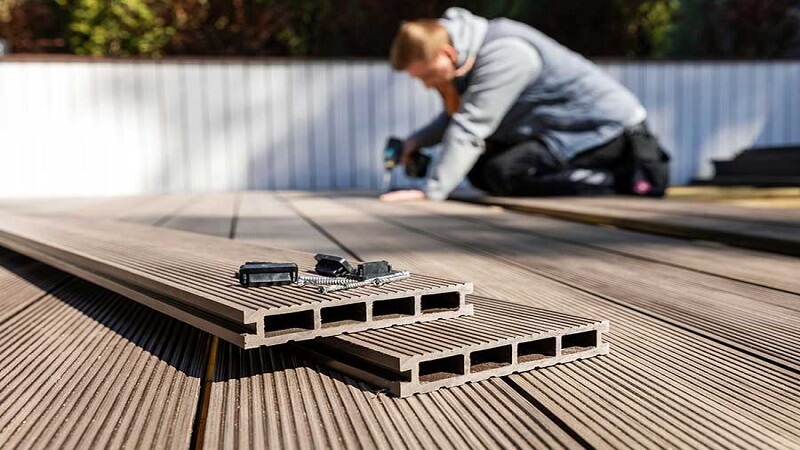
In recent years, homeowners and builders alike have been seeking durable, sustainable, and aesthetically pleasing materials for outdoor and indoor spaces. One solution that has gained significant popularity is wood-plastic composite (WPC) decking. Combining the natural look of wood with the resilience of synthetic materials, WPC composite products offer a practical alternative to traditional timber. As environmental concerns grow and maintenance expectations shift, WPC decking has become a preferred choice in home improvement, environmental sustainability, and modern home décor.
Understanding WPC Composite Materials
WPC composite materials are engineered by blending wood fibers or flour with thermoplastics such as polyethylene or polypropylene. This combination results in a material that mimics the appearance of wood while offering enhanced durability and resistance to environmental factors.
The growing demand for wpc composite products reflects a shift toward smarter construction materials that reduce reliance on natural timber while maintaining visual appeal. These composites are manufactured using advanced techniques that ensure uniformity, strength, and long-lasting performance, making them ideal for decking, fencing, and wall cladding.
Benefits of WPC Composite Decking
One of the main reasons WPC composite decking is widely adopted is its range of practical benefits. Unlike traditional wood, WPC decking is highly resistant to moisture, rot, and insect damage. This makes it particularly suitable for outdoor environments where exposure to weather is constant.
Additionally, WPC decking requires minimal maintenance. There is no need for regular staining, sealing, or painting, which significantly reduces long-term costs. The material also retains its color and structural integrity over time, making it a cost-effective investment for homeowners.
From a safety perspective, WPC decking often features slip-resistant surfaces, making it a reliable option for families with children or elderly members.
Environmental Advantages of WPC Materials
Sustainability is a key factor driving the popularity of WPC composite products. These materials are often made using recycled plastics and reclaimed wood fibers, reducing waste and minimizing the need for deforestation.
By choosing WPC decking, homeowners contribute to environmental conservation efforts while enjoying a high-quality product. The manufacturing process also tends to produce fewer emissions compared to traditional wood processing.
Moreover, the longevity of WPC materials means fewer replacements over time, which further reduces environmental impact. This aligns with the growing trend toward eco-friendly home improvement solutions.
Applications in Home Décor and Outdoor Spaces
WPC composite decking is highly versatile and can be used in a variety of applications. It is commonly used for outdoor decks, patios, balconies, and garden walkways. Its resistance to weather conditions makes it ideal for these settings.
Beyond outdoor use, WPC materials are increasingly being incorporated into interior design. Wall panels, ceiling designs, and decorative elements made from WPC add a modern and sophisticated touch to living spaces.
The availability of different textures, colors, and finishes allows homeowners to customize their spaces according to their preferences. Whether aiming for a natural wood look or a contemporary aesthetic, WPC materials offer flexibility in design.
Choosing the Right WPC Decking Manufacturer
Selecting a reliable manufacturer is crucial to ensuring the quality and performance of WPC composite products. A reputable manufacturer will use high-grade raw materials, advanced production techniques, and strict quality control measures.
When evaluating manufacturers, consider factors such as product certifications, customer reviews, and warranty offerings. It is also important to assess the range of products available, as well as the level of customer support provided.
Manufacturers that prioritize innovation and sustainability are more likely to deliver products that meet modern standards and expectations. Exploring detailed product specifications and company information can help homeowners make informed decisions.
Maintenance and Longevity of WPC Decking
One of the standout features of WPC composite decking is its low maintenance requirements. Routine cleaning with soap and water is usually sufficient to keep the surface looking new. Unlike traditional wood, WPC does not splinter, crack, or warp easily.
The durability of WPC materials ensures a long lifespan, often lasting decades with proper care. This makes it an excellent choice for homeowners seeking a long-term solution for their decking needs.
Additionally, many WPC products are designed to resist fading, staining, and mold growth, further enhancing their longevity and visual appeal.
Conclusion
WPC composite decking represents a significant advancement in home improvement materials, offering a perfect balance of durability, sustainability, and aesthetic appeal. As homeowners continue to prioritize eco-friendly and low-maintenance solutions, WPC products are becoming an integral part of modern construction and design.
The increasing demand for wpc composite solutions highlights their value in creating stylish and sustainable living spaces. By choosing high-quality products from trusted manufacturers and understanding their benefits, homeowners can transform their homes while contributing to a greener future.