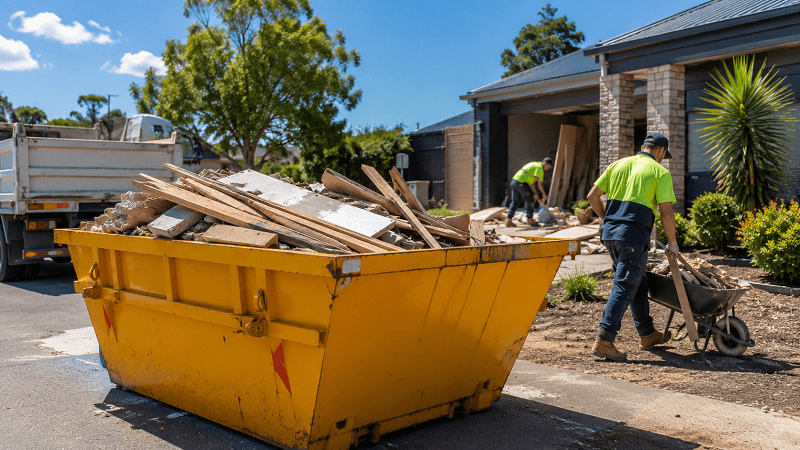
Managing a major home cleanout can feel overwhelming, especially when years of unwanted furniture, broken appliances, renovation debris, and household clutter have piled up. Across Australia, homeowners are finding smarter and more efficient ways to handle these projects, with many turning to services like skip bin hire in Melbourne to simplify waste removal during large-scale cleanups. Whether it’s preparing a property for sale, downsizing, renovating, or dealing with inherited belongings, Australians are embracing practical solutions that save time and reduce stress.
The Rise of Home Decluttering Projects
In recent years, large-scale home cleanouts have become increasingly common in cities such as Melbourne, Sydney, Brisbane, Perth, and Adelaide. Several factors are driving this trend, including lifestyle changes, rising property prices, and the growing popularity of minimalist living.
Many homeowners are choosing to clear out unnecessary possessions to create more functional spaces. Others are tackling long-postponed garage cleanups, backyard waste removal, or full-house decluttering projects before moving homes. As urban living spaces become more compact, efficient storage and organised environments are becoming a priority for Australian families.
Why Skip Bins Have Become Essential
One of the biggest challenges during a home cleanout is dealing with large amounts of waste. Standard household bins are rarely sufficient for bulky furniture, renovation materials, garden waste, or outdated electronics. This is where skip bin services have become an essential part of the process.
Skip bins offer a convenient way to dispose of large quantities of rubbish without multiple trips to the local waste facility. Homeowners can simply fill the bin over several days while sorting through belongings at their own pace. This convenience has made skip bins especially popular during renovations, deceased estate clearances, and end-of-lease cleanups.
In major Australian cities, waste management companies now offer a wide variety of bin sizes tailored to different project types, making the process more accessible for households of all sizes.
Urban Living Is Changing Cleanup Habits
Australian cities are evolving rapidly, and changing lifestyles are influencing how people manage household waste. Apartment living has become increasingly common, particularly in densely populated urban areas. With less storage space available, residents are more likely to regularly declutter and remove unnecessary items.
At the same time, sustainability awareness is encouraging people to sort their waste more carefully. Many households now separate recyclable materials, donate usable furniture, and responsibly dispose of hazardous items rather than sending everything directly to landfill.
Professional waste removal services are adapting to these changes by offering recycling-focused disposal methods and environmentally conscious waste management solutions.
Renovation Boom Creating More Waste
Home renovations are another major reason Australians are seeking efficient cleanup solutions. Kitchen upgrades, bathroom remodels, landscaping projects, and home extensions generate significant amounts of debris that can quickly become difficult to manage.
Builders and homeowners alike often rely on skip bins to maintain safer and cleaner worksites. Having a dedicated space for waste helps prevent clutter from accumulating during construction and improves overall project efficiency.
As renovation activity continues to grow across Australia, demand for flexible waste removal services is expected to increase even further.
Downsizing and Estate Clearances
Large-scale cleanouts are also becoming common among older Australians who are downsizing into smaller homes or retirement communities. Sorting through decades of possessions can be emotionally and physically demanding, especially when families are involved in the process.
Similarly, deceased estate cleanouts often require careful organisation and responsible waste disposal. In many cases, families hire professional cleanup services or skip bins to manage the large volume of unwanted items efficiently.
These situations often involve more than simple rubbish removal. Families may need to separate sentimental belongings, donate usable items, and dispose of damaged furniture or appliances safely.
Sustainability Is Influencing Waste Management
Environmental awareness is playing a larger role in how Australians approach home cleanouts. Many people are actively looking for ways to reduce landfill waste by recycling materials whenever possible.
Across major cities, councils and waste companies are encouraging residents to recycle timber, metal, cardboard, green waste, and electronic items separately. Some services even partner with local charities to help reusable furniture and household goods find new homes.
This shift toward sustainable disposal methods is helping Australians complete large cleanouts more responsibly while supporting broader environmental goals.
Technology Making the Process Easier
Technology has also transformed the way people organise home cleanouts. Online booking systems now allow homeowners to arrange skip bin deliveries quickly and compare services based on size, duration, and pricing.
Many waste removal companies provide same-day delivery options, making it easier for homeowners to start cleanup projects immediately. Digital communication and flexible scheduling have significantly improved convenience for busy households.
Additionally, social media marketplaces and local community groups have made it easier for Australians to sell, donate, or give away unwanted items instead of throwing them away.
The Future of Home Cleanouts in Australia
As Australian cities continue to grow and housing trends evolve, large-scale home cleanouts are likely to remain a common part of urban living. People are becoming more organised, environmentally conscious, and focused on creating cleaner, more functional homes.
From renovation projects to downsizing efforts, efficient waste management solutions are helping Australians handle these challenges with less stress and greater convenience. With sustainability and convenience continuing to shape consumer habits, modern cleanup strategies will only become more advanced in the years ahead.